

Top Protein Sources for Women in Perimenopause & How to Support Digestion
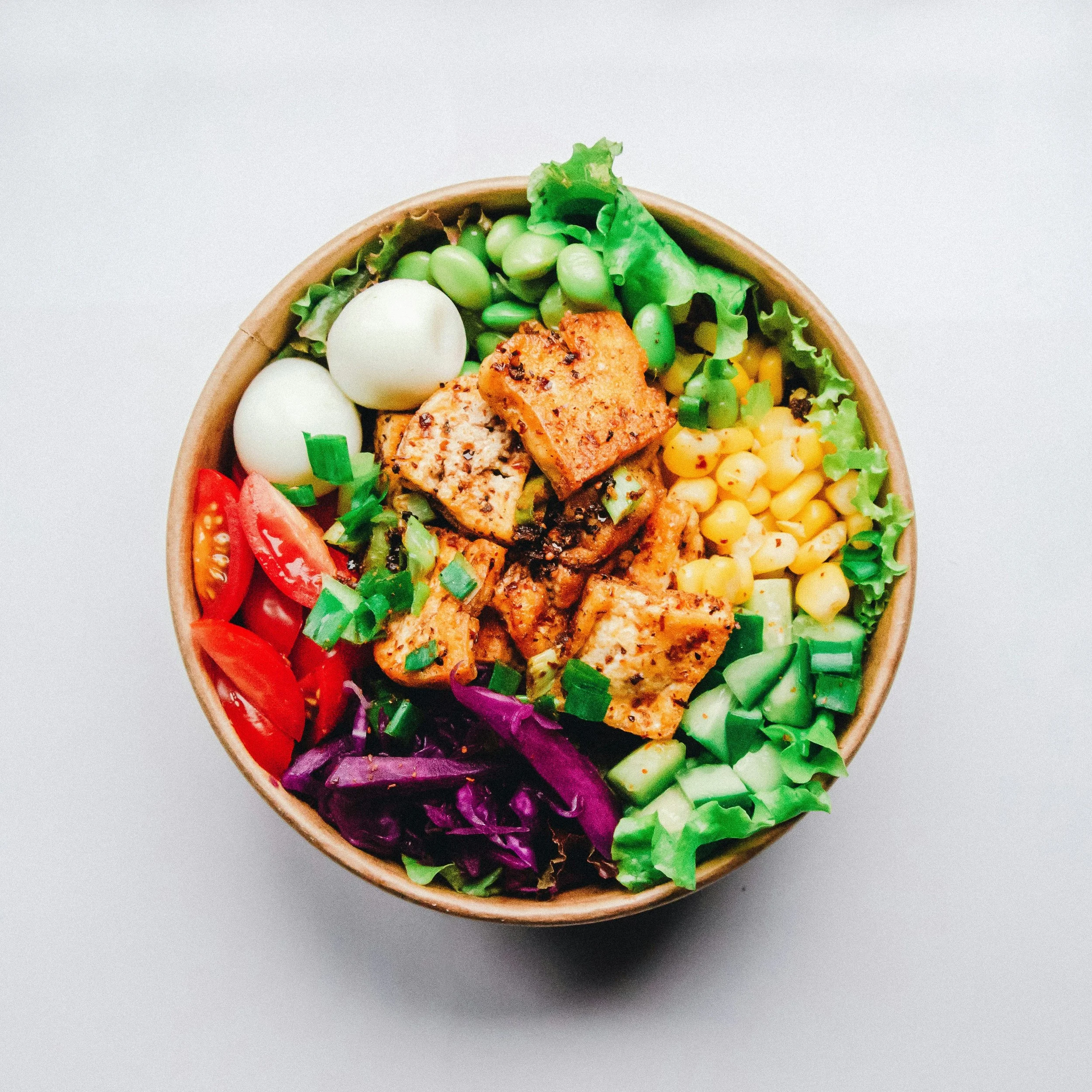
“Eating less and moving more” may be one of the most harmful nutrition messages women have received—especially during perimenopause and menopause. In this season of life, that approach often leads to more fatigue, hormone imbalance, muscle loss, and metabolic slowdown.
In reality, adequate protein intake is one of the most important foundations for hormone balance, digestion, energy, and long-term metabolic health.
At Winnipeg Nutrition, we consistently see women either under-eating protein or struggling to digest it well. Both can contribute to symptoms that feel frustratingly “unexplained,” including bloating, blood sugar crashes, low energy, and worsening hormone symptoms.
This post builds on Part 1, where we covered why protein needs increase in perimenopause and how much you need. Here, we’ll focus on the best protein sources and how to support digestion, so your body can actually use what you eat.
Why Protein Is Essential in Perimenopause
During perimenopause, hormone fluctuations increase, stress tolerance often decreases, and metabolic changes accelerate. From a functional nutrition perspective, animal-based protein becomes especially important because it provides highly bioavailable amino acids that support:
Phase 1 and Phase 2 liver detoxification, helping the body metabolize and excrete hormones efficiently
Balanced estrogen and progesterone during a time of greater fluctuation
Healthy androgen levels (including testosterone and DHEA), which can be relevant for women with PCOS or past fertility challenges
Neurotransmitter production for mood, sleep, and stress resilience
Maintenance of muscle mass, which directly impacts insulin sensitivity and blood sugar balance
Animal proteins also provide nutrients like vitamin B12, iron, and vitamin A in their active forms—making them easier to absorb and be used by the body, especially for women with digestive issues such as bloating, IBS, or IBD.
Protein, Gut Health & Hormone Detoxification
Protein isn’t just about muscles—it’s essential for gut health and hormone clearance. Amino acids fuel the cells lining the digestive tract, support stomach acid production, and help maintain a balanced gut microbiome.
If protein feels heavy or difficult to digest, this can point to:
Low stomach acid
Insufficient digestive enzymes
Gut dysbiosis or bacterial imbalances
In these cases, functional testing like a GI-MAP stool test can be incredibly helpful. Dysbiosis can impair protein digestion and interfere with hormone detoxification pathways, making symptoms persist even when the diet or blood work “looks good on paper.”
Signs You’re Not Getting Enough Protein in Perimenopause
Constant fatigue
Cravings for sugar or refined carbohydrates
Difficulty building or maintaining muscle
Hair thinning
Poor stress tolerance
Waking during the night
Bloating after meals (often linked to low stomach acid)
Weak or brittle nails
Best Protein Sources for Women in Perimenopause
Animal-Based Proteins (Most Bioavailable)
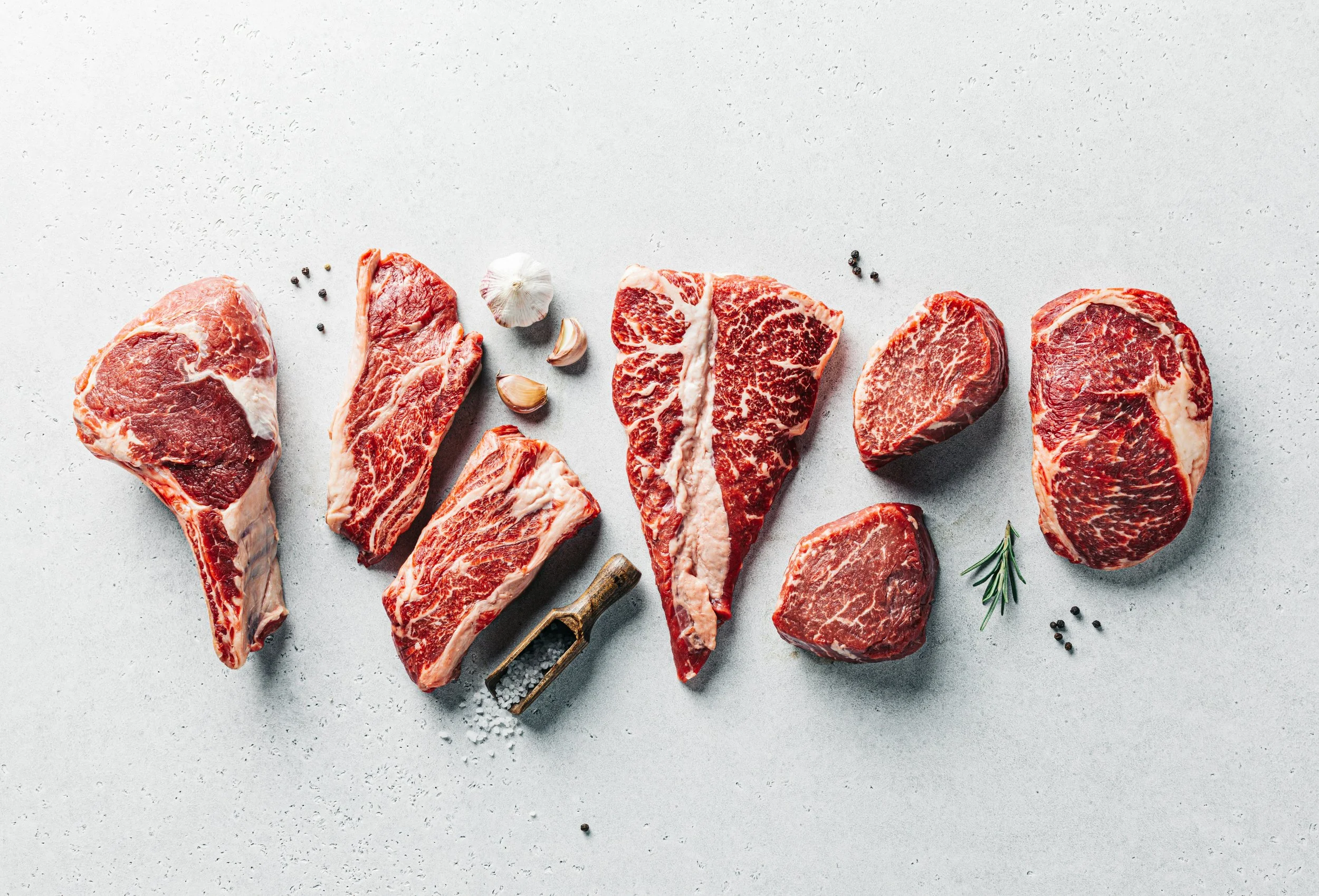
Grass-fed and finished beef
Pastured chicken and turkey
Wild-caught fish
Eggs (ideally pasture-raised)
Grass-fed lamb
Beef protein powders (this one is our favourite!)
Collagen and gelatin (supportive, but not complete proteins on their own)
These foods provide complete amino acid profiles and are easier for the body to use for hormone production, detoxification, tissue repair, and energy.
Plant-Based Proteins
Lentils
Chickpeas
Beans (kidney, navy, pinto, white)
Hemp seeds
Plant proteins can be included if tolerated, but while they do provide plenty of fibre, they are often harder to digest due to anti-nutrients and bacteria imbalances in the gut. Soaking, sprouting, and proper preparation can improve digestibility, and pairing strategies help balance amino acids.
How to Eat Protein Without Digestive Issues
This is where a functional, individualized approach truly matters:
Start the day with protein—breakfast sets the tone for blood sugar and energy
Chew thoroughly and eat in a relaxed state
Support stomach acid with apple cider vinegar or HCL (when appropriate)
Use digestive enzymes if protein breakdown is impaired
Avoid ice-cold drinks with meals
Choose warming foods over cold
Consider Functional Digestive Testing to assess gut balance
Let’s Create Your Personalized Plan Back to Hormonal Balance
Protein needs during perimenopause are not one-size-fits-all. If you’re struggling with digestion, low energy, hormone symptoms, or confusion about how to eat for your body, working with a Holistic Nutritionist can make all the difference.
Book an appointment with us at Winnipeg Nutrition to receive personalized guidance, functional gut testing if needed, and a nutrition plan tailored to your hormones, digestion, and health goals.
We’re here to support you.
Asher Kleiber
Registered Holistic Nutritionist
https://www.flourishnaturalwellness.com/


When most women think about perimenopause, they picture hot flashes and missed periods sometime in their late 40s or 50s. But for many women, the hormonal shifts of perimenopause can begin much earlier — sometimes as early as the mid-30s.
Many of the symptoms are often dismissed as…