

Why Protein Is Essential for Women in Perimenopause (And How Much You Really Need)
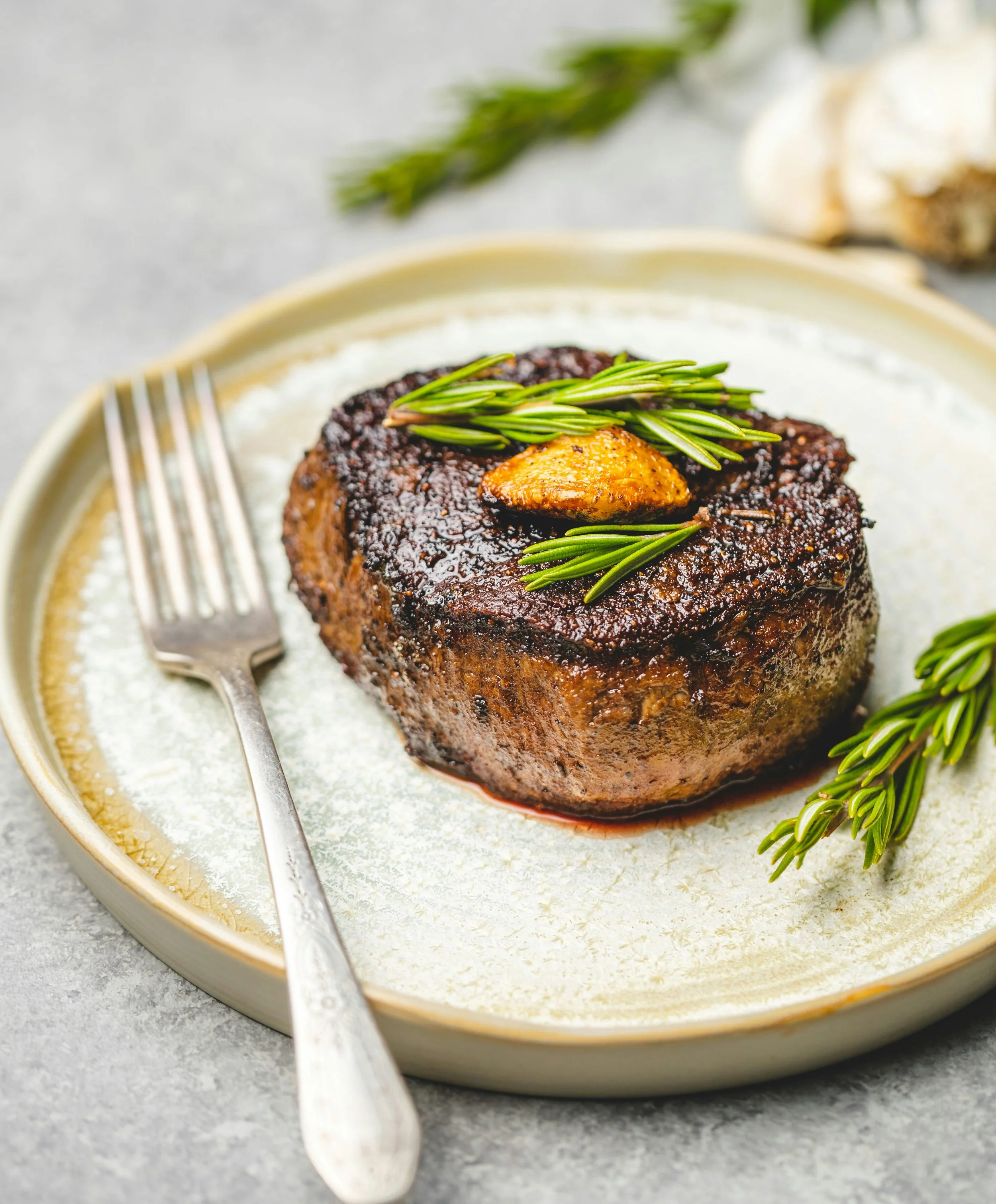
Gone are the days when protein was seen as something only bodybuilders needed, while women were told to simply eat more salads to lose weight. For women in perimenopause and menopause, adequate protein intake is not only essential for maintaining muscle mass and supporting healthy body composition—it plays a critical role in hormone balance, blood sugar regulation, metabolic health, and overall vitality.
In our practice, we commonly see women significantly under-eating protein and feeling confused about how much they actually need. This can leave their hormones, energy, and metabolism at a disadvantage during an already sensitive stage of life. In this blog post, we’ll break down why protein is so important for women in perimenopause and how much you really need to support your body well.
Common Changes Women Experience in Perimenopause
Many women in their 40s and beyond begin to notice changes in their bodies and are often told that these symptoms are simply “part of aging” and something they must learn to live with. While hormonal shifts are a natural part of life, there are meaningful ways we can support the body during this transition instead of just “waiting it out.”
During perimenopause, women may experience:
Stubborn weight gain, especially around the midsection
Muscle loss or difficulty building muscle
Blood sugar crashes (fatigue, shakiness, jitters)
Ongoing fatigue
Anxiety, low mood, or irritability
Poor sleep
Bloating and digestive discomfort
Hair thinning
Cravings for sugar and refined carbohydrates
While these symptoms can have multiple root causes, they are very commonly associated with inadequate protein intake. Protein often becomes more important during this season of life—not less—yet many women are unknowingly eating too little.
What Happens to a Woman’s Body During Perimenopause
During perimenopause, estrogen and progesterone begin to fluctuate more dramatically. At the same time, insulin sensitivity often declines, meaning the body becomes less responsive to insulin and blood sugar regulation becomes more challenging. There is also a natural decline in muscle mass, and cortisol (the stress hormone) tends to rise more easily.
Protein plays a crucial role in all of these processes and is a foundational nutrient for hormone balance and metabolic health.
Why Protein Is So Important in Perimenopause
Protein supports hormone balance.
Protein is broken down into amino acids, which are the building blocks for many hormones and neurotransmitters, including thyroid hormones and brain chemicals that support mood, focus, and communication between the brain, gut, and hormone systems. Adequate protein also helps buffer cortisol spikes, which is essential because elevated cortisol impacts all other hormones. Additionally, amino acids are required for liver detoxification pathways that help eliminate excess hormones and toxins.
Protein helps prevent muscle loss and metabolic decline.
Muscle is not just about strength or appearance—it is a key driver of metabolic health. As muscle mass declines, insulin sensitivity decreases, making it easier to gain fat, harder to maintain energy, and increasing vulnerability to insulin resistance and type 2 diabetes over time. Adequate protein intake, combined with strength training, supports healthy metabolism, stronger joints, cognitive health, and resilience as we age.
Protein stabilizes blood sugar and mood.
Protein helps slow the absorption of glucose and improves insulin sensitivity, preventing blood sugar spikes and crashes that lead to fatigue, anxiety, poor sleep, and intense cravings. A protein-rich diet supports steadier energy, improved mood, better focus, and fewer afternoon and evening crashes.
Protein supports gut health.
Protein is essential for producing stomach acid, repairing the gut lining, and fuelling the cells of the digestive tract. While fibre is important, protein is often overlooked as a key component of digestive health and gut integrity.
How Much Protein Do Women Need in Perimenopause?
So how much protein do you really need? A general functional nutrition guideline for women in perimenopause is 0.8–1.0 grams of protein per pound of ideal body weight, which often works out to about 30–40 grams of protein per meal, broken into 3 meals per day.
Keep in mind, these are general guidelines. Individual protein needs vary based on activity level, health history, stress, illness, and metabolic health. This is why personalized guidance is so important.
Ready for Personalized Support?
If you’re feeling confused about how to eat for your hormones—or you suspect protein intake may be holding your health back—you don’t have to figure it out alone. Working with a Holistic Nutritionist can help you create an individualized, sustainable plan that supports your hormones, digestion, energy, and long-term health.
Book an appointment with our team today to receive personalized nutrition support tailored to your body and your season of life!
Asher Kleiber
Registered Holistic Nutritionist



If you’re trying to balance your hormones while overlooking your gut health, you may be missing an important piece of the puzzle. Many women don’t know just how important the gut-hormone connection is—not out of ignorance, but because, as women, we simply aren’t taught about these crucially interconnected body systems.