

Are Organ Meats Really Good For Your Hormones?
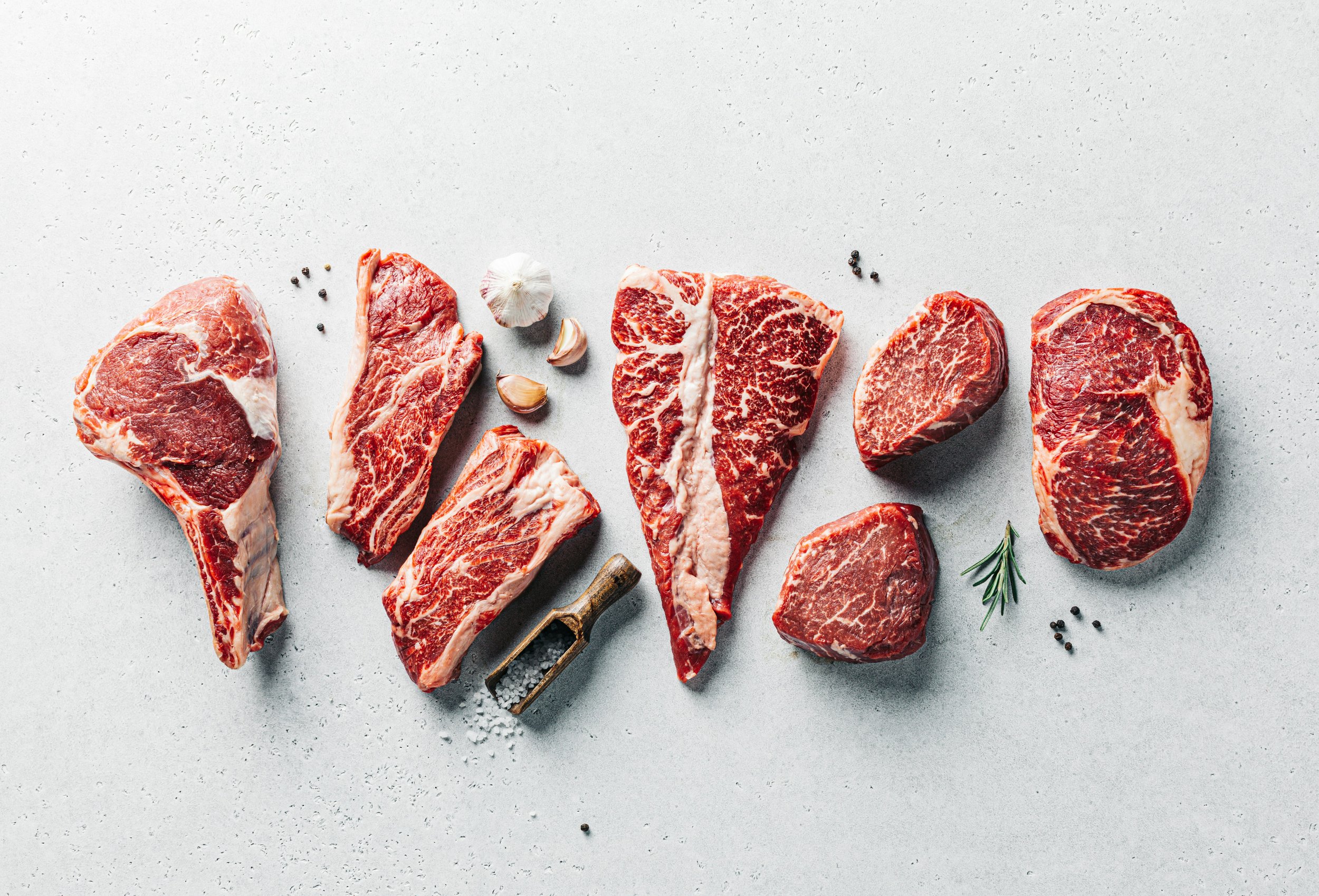
Organ meats—often called “nature’s multivitamin”—are one of the most nutrient-dense foods available. While they may feel old-fashioned or unfamiliar, they offer powerful support for women’s hormones at every stage of life: from fertility to perimenopause and menopause.
Why Organ Meats Are So Powerful for Hormones
Organ meats like liver, heart, and kidney are rich in key nutrients that are often difficult to obtain in adequate amounts from modern diets. They are especially high in vitamin B12, iron, folate, choline, and fat-soluble vitamins A, D, E, and K, all of which play a role in hormone production, detoxification, and energy metabolism.
Unlike plants or even muscle meat, organ meats provide these nutrients at higher levels and in highly bioavailable forms, meaning your body can absorb and use them efficiently.
Fertility: Nourishing the Foundation
For women trying to conceive, nutrient density is king. Organ meats support fertility by:
Providing heme iron to prevent anemia and support ovulation
Supplying vitamin B12 and folate for egg quality and early fetal development
Delivering choline, critical for brain development and methylation
Liver, in particular, is incredibly rich in preformed vitamin A, which plays a role in reproductive health and fetal development. However, this is where balance becomes important (more on that below).
Perimenopause: Supporting Energy & Hormone Shifts
During perimenopause, fluctuating estrogen, progesterone and cortisol levels can lead to fatigue, mood swings, and blood sugar instability.
Organ meats may help by:
Supporting energy production through B vitamins
Providing iron and copper for oxygen transport and vitality
Offering cofactors for liver detoxification, helping process excess estrogen
Because organ meats are rich in protein and micronutrients, they can also help stabilize blood sugar—one of the most overlooked factors in hormone balance.
Read: The DUTCH Test: The #1 Recommended Test for Perimenopause
Menopause: Rebuilding and Protecting
In menopause, the focus shifts to maintaining bone density, muscle mass, and metabolic health.
Organ meats can support this phase by:
Delivering bioavailable protein to preserve muscle
Providing vitamin A and zinc for immune and skin health
Supplying nutrients like CoQ10 (in heart) for cardiovascular support
Some emerging discussions suggest organ meats may help address nutrient gaps that become more common in menopause, especially B12 and iron deficiencies.
How to Eat Organ Meats (Without Forcing It)
You don’t need to eat large amounts to benefit. In fact, small, consistent portions are ideal.
Simple ways to include them:
Mix ground liver into ground beef (start with 10–20%)
Add liver to soups or stews
Try pâté on sourdough or crackers
Add a tiny amount to smoothies
Use freeze-dried organ capsules if you struggle with the taste (it’s not the best!)
Just a few ounces per week can significantly boost nutrient intake.
Safety: How Much Is Too Much?
While organ meats are incredibly nutritious, they should be consumed in moderation.
Vitamin A Considerations
Liver is extremely high in preformed vitamin A (retinol) and eating too much liver can pose risks also.
This is particularly important for:
Pregnant women, as excess vitamin A may increase risk of birth defects
Women taking vitamin A supplements alongside liver
General Intake Guidelines
There’s no universal “perfect” dose, but it’s suggested to consume:
1–2 servings of liver per week (about 2-3 oz total)
Rotating different organ meats (heart, kidney, etc.) to diversify nutrients
Note: if you have any underlying medical conditions, consider consulting your health practitioner before consuming organ meats regularly.
Quality Matters
Just like all foods and supplements, quality can vary greatly. Choose pasture-raised, grass-fed and finished, hormone-free sources when possible
So, Should You Consume Organs?
Organ meats can be one of the most powerful (yet overlooked) tools for supporting women’s hormones naturally. From building nutrient reserves for fertility to supporting energy and resilience through perimenopause and menopause, they offer a deeply nourishing, whole-food approach, along with a whole food diet.
The key is to consume small amounts of high quality organs on a consistent basis for optimal benefits. If you’re supporting your hormones holistically, organ meats can be a foundational piece that helps your body truly flourish.
Looking for personalized recommendations and advice on how to eat for your body’s needs or ready to look deeper with Functional Hormone Testing?
Book your call at Winnipeg Nutrition today!
Asher Kleiber
Registered Holistic Nutritionist



If you’re trying to balance your hormones while overlooking your gut health, you may be missing an important piece of the puzzle. Many women don’t know just how important the gut-hormone connection is—not out of ignorance, but because, as women, we simply aren’t taught about these crucially interconnected body systems.